


Cape Malay fish balls
These Cape Malay fish balls are highly adaptable. Not as well known as other Cape Malay dishes—such the famous lamb curries—these traditional fish balls made with a combination of white fish and smoked fish make tasty starters, great finger food for a party, and are also integrated into other delicious Cape Malay dishes.
Balls to history
Cape Malay cuisine is arguably best known for its meatier dishes such as its lamb and chicken curries. But, fish and fishing have been the heart of Cape Malay culinary culture since the first Indonesians arrived at the Cape with the initial Dutch colonists in the 16th century. These first arrivals were largely enslaved people, but in the 17th century, the Indonesians arriving on Dutch vessels represented a more complex picture with more non-enslaved Indonesians working as servants in Dutch households, those working in clerical roles for Dutch merchants as well as skilled labourers seeking work building the growing settlement.
While South Africans from the Cape are fully familiar with Cape Malay pescatarian delights—such as fish samosas—some of its other fish and seafood dishes have long been overlooked.
These fish balls (vis balletjies) are incredibly easy to make. And, they have multiple uses: finger-lickin' good finger food; appetisers; part of a traditional Cape Malay seafood curry; or the highlight of a contemporary salad. If you want to learn more about the history of seafood in Cape Malay cooking, you can find more detail here.
Southern fish
For centuries, the smoked fish used in these fish balls was smoked snoek. Well known as a delicacy in the Western Cape and other parts of South Africa, this fish (Thyrsites Atun) is one of the larger members of the mackerel family. Its oily flesh flakes beautifully when smoked—traditionally with oak or peach wood—making it ideal for this dish. Once "cheap food" in the Cape—it has large, inconvenient bones that need to be removed—these days it has become more expensive. And, a fish of the Southern hemisphere, it's not always that easy to find outside of Southern Africa, South America (where it's known as sierra) or Australasia (where it is know as barracouta or simply 'couta).
These days, even in South Africa, this dish is more commonly made with smoked mackerel, the perfect solution if you're in the Northern Hemisphere. For the white fish, Capetonians default to the widely available hake, but any reasonably fleshy white saltwater fish—such as cod or coley—work well.
Multifunctional
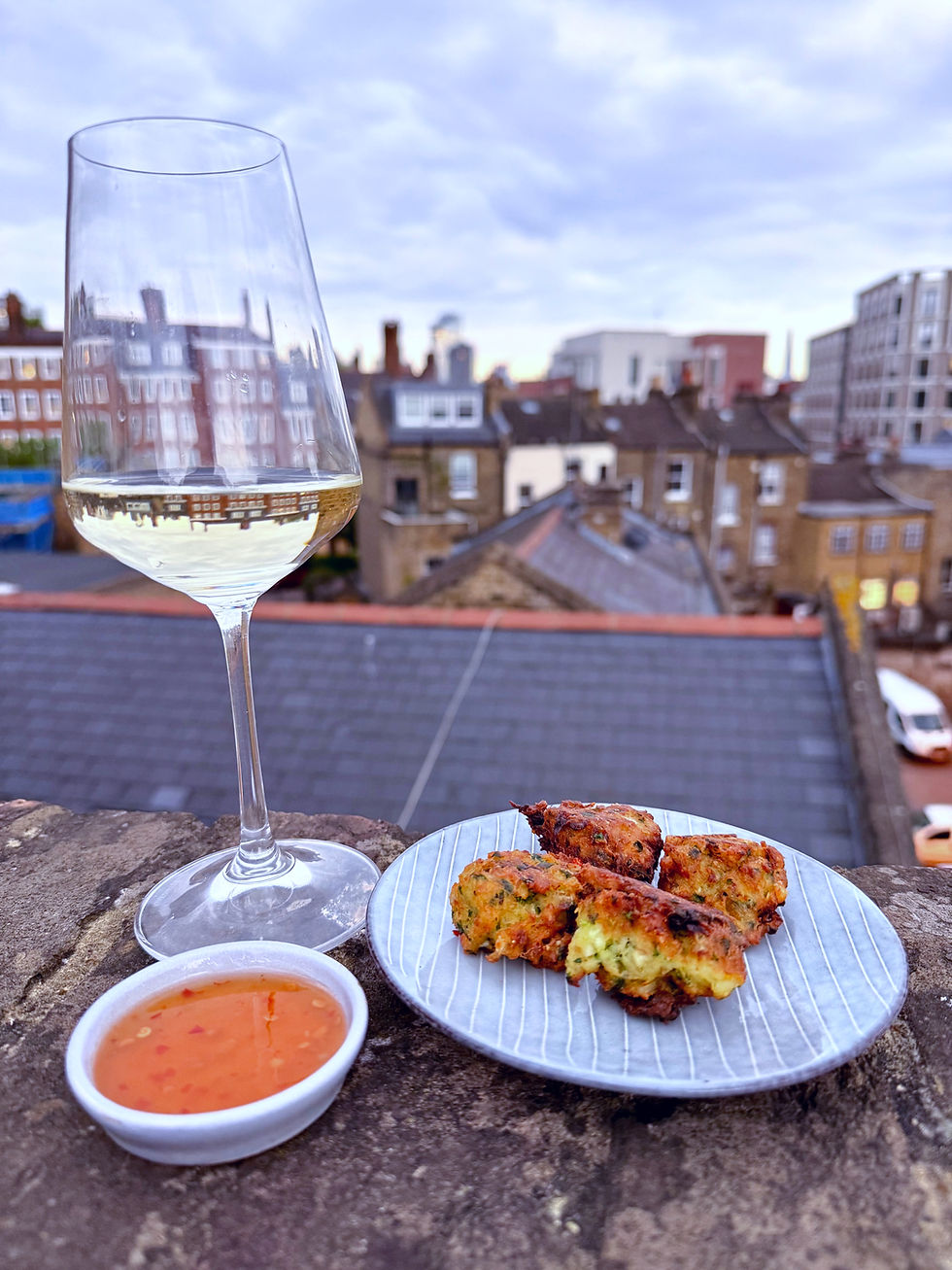
There are numerous ways in which Cape Malay cuisine serves up these delicious fish balls. Perhaps the way in which they are most commonly encountered is as cold finger food at social events or celebrations, usually served with chutneys, achars or other dipping sauces.
Cape Malay food, like a lot of other cuisines with Asian origins, is a bit ambivalent on starters, historically bringing all the savoury dishes to the table at once. But, inevitably lifting from the conventions of European settlers and tourist diners, you will sometimes see them served as a starter in the few restaurants that offer them.
That said, you don't have to limit serving them as a starter with only Cape Malay dishes. I often serve them as a "fusion" starter course (with a salad of "flash pickled" ginger, daikon, carrots and green beans) followed by anything from Scottish grouse to Sicilian pasta dishes. One great thing about them is you can prepare them well in advance and serve them cold. Yet, they equally reheat as light and crisp in a medium oven.

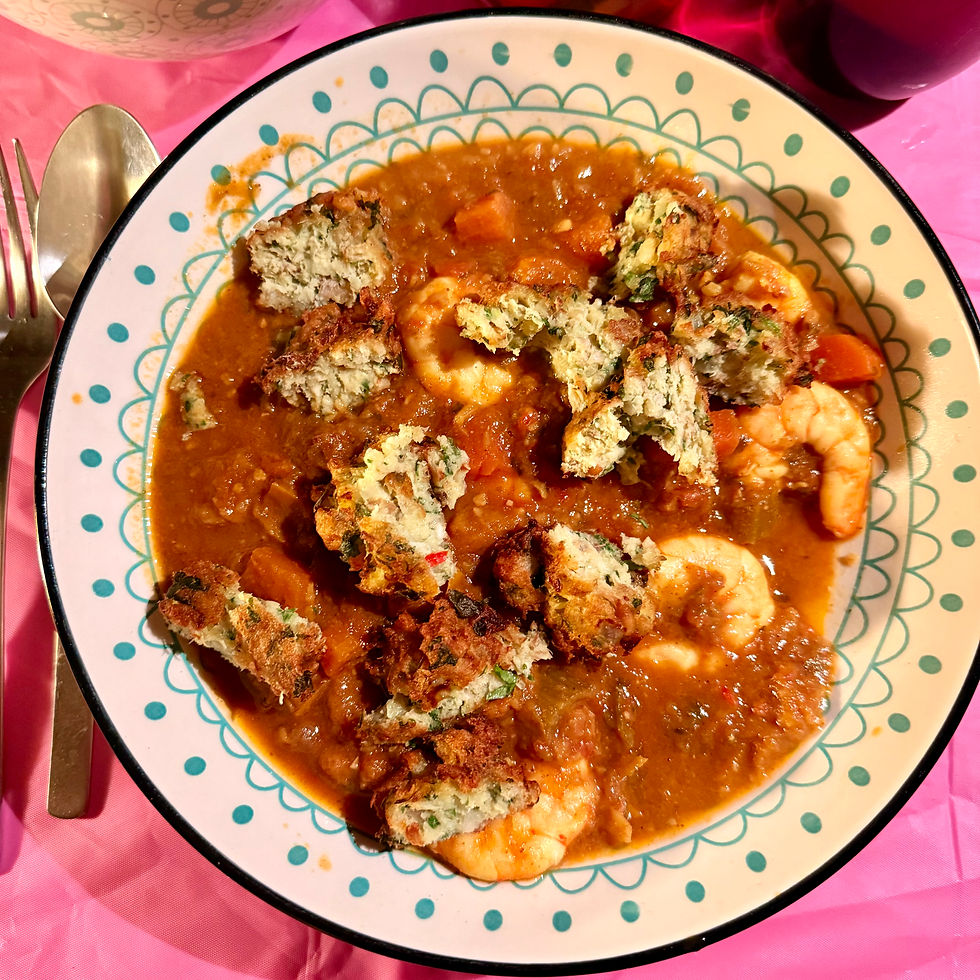
There are two ways in which I particularly love them that I have never seen on a menu in a Cape Malay (or generic South African) restaurant but only ever enjoyed in the homes of friends who proudly identify as Cape Coloured. In one dish, they are actually integrated into this wonderful Cape Malay seafood curry.
The second is tangentially related and often served as a "leftovers" meal the day after the curry. This involves serving a little pile of fish balls together with patat en boontjies (spuds 'n beans), a dish very similar to the Punjabi dish saag aloo, and a spicy fresh salad featuring grated carrot, chopped onions and bell peppers, chillies, raisins and a piquant lime pickle dressing. In many ways, it's almost the Cape Malay equivalent of British fishcakes with potatoes; a hearty domestic meal.
Over the years, I have also found that served cold, these fish balls, sliced, make a wonderful meal salad, whether incorporating other Cape Malay touches or not. My favourite is a kind of East-West, sweet-'n-sour fusion salad with mixed leaves, always with some leaves that are more bitter—such as red chicory (called radicchio in Italy)—as a contrast to the sweeter flavours. Together with red sweet peppers blackened in sweet soy with ginger then cooled, mango, carrots, cucumber, mild chillies, spring onions and crispy fried onions, this works wonderfully with a dressing made with mango chutney, lime, ginger, chilli and sesame, served with distinctly Western rustic bread rolls.

And, an experiment showed that these fish balls are an absolute hit with kids, sliced and turned into sandwiches with iceberg lettuce, sliced tomato, grated carrot and a dab of mild chutney. I was secretly delighted when one special wee Scottish lassie called them "fuss bollockses" because she couldn't pronounce the Afrikaans name.
The quantities in this recipe will produce 14 to 15 bite-sized fish cakes. If using them for the Cape Malay seafood curry, allot 4 to 5 fish balls per diner. Obviously, the recipe can be easily scaled up if you want to produce a larger quantity, such as when making a large batch as finger food to be served with dipping sauces.
3 top tips to get this recipe right: |
|
|
|
Shopping list
for the Cape Malay fish balls (visballetjies)
Approx. 120g boneless white fish (e.g. hake, coley, cod, etc.); steamed and cooled
Approx. 70g smoked mackerel
2 shallots; peeled
5 tbspns gram flour
1 tbspn plain flour
½ tspn baking powder
1 tspn garam masala
2 red chillies (or green); chopped—I'm using mild here, but you can go hot too
A generous clutch of fresh coriander; roughly chopped
1 egg
Salt and pepper, to taste
Enough sunflower oil (or vegetable oil) to shallow fry
Cooking Method
the Cape Malay fish balls
In a mini-chopper, chop the chillies, shallots and coriander. Place in a mixing bowl
Ensure the skin is removed from the steamed white fish, then roughly break this into the the mini chopper removing any bones. Add the roughly broken smoked fish NB: if using snoek, you will need to remove the numerous, fairly large bones. Chop together until you have relatively fine flakes. Add into the same mixing bowl
Sift in the gram flour, plain flour, garam masala and baking powder and fold in. Whisk the egg in a cup and pour this in, folding in to form a fairly thick batter. Finally, season with salt (if needed) and freshly ground black pepper
Heat sufficient sunflower oil for shallow frying on a medium-high heat in a frying pan. Once hot, use a teaspoon to shape rough bite-sized "balls"—about the size of a ping pong ball—and ease into the oil. Fry for 1 to 2mins on each side, or until golden brown. Remove with a sieve spoon and drain on paper towel. Depending on how you plan to serve them, either allow to cool or take to table piping hot.

Alternatives
This is, bluntly, a pescatarian dish. However, there is a vegan and vegetarian South African dish that comes more from South African Indian Diasporan cooking known as "chilli bites" that are a great alternative with a surprising similarity of ingredients: gram (chickpea) flour, plain flour and baking powder. Some chilli bite recipes use eggs, but the vast majority do not, making them fully vegan. This is what I make for vegan/veggie friends as the alternative, even when cooking for mixed groups because if you cook the chilli bites in the "virgin" oil, the same oil can be used to cook the fish balls afterwards.
A bit like the vegan question, I would not bother with a carnivore version of this dish. Rather, I would opt for alternative Cape Malay "small bites format" dishes such as lamb balls—spiced small lamb meatballs with only a little of the flours—or a kind of mini lamb samosa of spiced minced lamb with mint that is part of the Cape Malay cooking canon.
Pairings
Many from Cape Town's Cape Malay communities are muslim and don't drink alcohol and usually pair these fish balls with fruit juices or soft drinks. However, the relative visibility of this muslim culture—especially in the hands of tourism marketing—can lead to misconceptions. The vast majority of people who today identify as Coloured are Christian, some 80 to 90% according to credible data.
This is nothing new. The original Dutch settlers gave Indonesians who had already converted to Protestantism more important roles with better job perks in their households and on the new wine estates effectively creating an incentive for more Cape Malay to adopt Protestantism. And, not long after 1806 when the British took control of the Cape, Anglican missionary schools began to appear. The promise of a free education and the advancement it might bring for their children saw increasing numbers of Cape Malay people join the Church of England. As a result of these evolutions, it means that not only do many Cape Malay people drink alcohol, but as an ethnic group within broader migrations, they have played a keep role in the development of South African wines, handing down knowledge and expertise in viniculture from generation to generation. So, whether you go for booze or not, it's all good.
However, it's difficult give "a paring" with this dish without more context. For, example, if serving it as finger food on its own or as part of a meal salad, I would almost certainly default to white wine and, yes, indeed, I would head in the direction of my beloved South African Chenin blancs first. That said, because it's not overly spicy, whether as a finger food with dipping sauces or in a salad, I've found it works wonderfully with those sun-drenched Sicilian Catarrattos. My current poster child for this role is Barraco Catarratto.
However, if you are eating the fish balls in a more complex situation, such as when they are integrated into a Cape Malay seafood curry, with its far more layered spice flavours, things become more colour-agnostic. Certainly everything I have said about whites above applies: they definitely work. But, I know beyond doubt that it can be fabulous with lighter reds. Above all else I have loved them in a seafood curry with Simonsig Pinotage, one of those lighter red wines that only Stellenbosch can produce as if it evolved taking its lessons from the African soil and the diverse cuisines that would evolve here.


Comments